
For many travelers, the ideal holiday means sunny skies, clear weather, and popular tourist spots. While peak seasons attract huge crowds, the monsoon offers a completely different experience—one that is slower, quieter, and more relaxing.
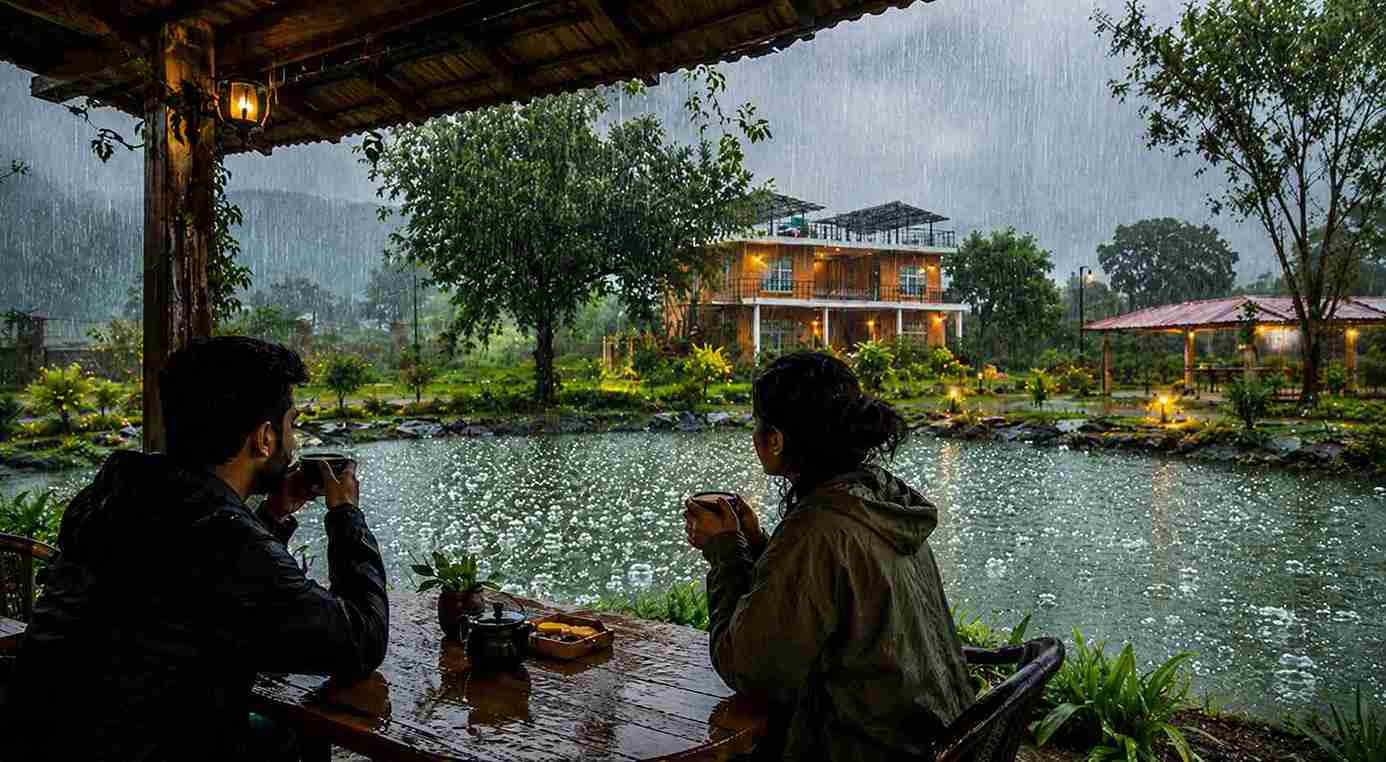
Across Rajasthan, the first rains transform the landscape. The Aravalli hills turn green, seasonal streams begin to flow, farms become vibrant, and the fresh petrichor of rain fills the air. Farmstays and countryside retreats become the perfect places to enjoy a hot cup of chai, while peacocks dancing in the rain add to the region’s natural beauty.
Instead of rushing between attractions, monsoon travel encourages you to slow down and enjoy the surroundings. Cooler weather, peaceful roads, and refreshed landscapes make it easy to explore historic towns, admire mist-covered forts, or simply take in the views of the Aravallis.
While the rainy season may not suit every destination, it offers the best way to experience Rajasthan. For travelers seeking nature, peace, and authentic local charm, the monsoon reveals a greener, calmer, and more refreshing side of the state.
The season you choose to visit a destination shapes far more than the weather. It influences the atmosphere, the pace of your journey, and the way you experience local culture. While peak travel periods bring lively energy and busy attractions, the rainy season offers an entirely different perspective—one defined by tranquility, refreshed landscapes, and unhurried exploration.
Peak travel season refers to the time of year when destinations welcome the highest number of visitors. School holidays, long weekends, festivals, and vacation periods often bring increased tourist activity. Historic monuments, markets, popular viewpoints, and cultural attractions become vibrant but considerably busier, creating a fast-moving travel experience where schedules often revolve around queues, reservations, and crowded sightseeing spots.
For many travellers, this lively atmosphere is part of the appeal. However, it can also mean less time to truly appreciate the destination itself.
The rainy season is when a destination receives its seasonal rainfall. While many people imagine continuous rain, the reality is often quite different. In several parts of Rajasthan, showers are frequently followed by long stretches of pleasant weather, allowing travelers to continue exploring comfortably.
These seasonal rains bring changes to the landscape. The Aravalli ranges appear softer beneath drifting clouds, village ponds begin to fill, roadside trees regain their color, and the open countryside takes on a freshness rarely seen during the hotter months. The transformation is subtle yet remarkable, revealing a side of Rajasthan that contrasts beautifully with its familiar desert image.
The monsoon is often misunderstood, with many travelers assuming that rain will ruin sightseeing plans. In reality, the experience depends on the destination, local weather, and good planning.
For those who embrace a little flexibility, the rewards are worth it. With fewer crowds, visitors can enjoy peaceful heritage streets, quiet viewpoints, and a slower pace of travel. It’s also one of the best times to see Rajasthan at its most beautiful, with dramatic skies over ancient forts, peacocks in rain-washed fields, and the fresh scent of wet earth after every shower.
One of the best things about traveling during the rainy season is the sense of space it offers. Popular destinations that are often filled with visitors during peak months begin to feel calmer, allowing travelers to experience Rajasthan without constantly competing for the best viewpoints, photographs, or quiet moments.
Instead of rushing through attractions, the monsoon encourages visitors to slow down, observe their surroundings, and connect more deeply with each destination.
Walking through the courtyards of centuries-old forts, exploring palace museums, or wandering the narrow streets of heritage towns becomes a far more intimate experience when there are fewer people around. Without the constant movement of large crowds, travelers can appreciate intricate architecture, local craftsmanship, and historical details that are often overlooked during busier seasons.
The monsoon introduces cloudy skies, drifting mist, and rain-washed landscapes that create exceptional views across Rajasthan’s hills and countryside. Whether standing at a hilltop viewpoint overlooking the Aravallis or admiring a historic fort rising above green valleys, the quieter atmosphere allows travelers to pause and truly absorb the scenery rather than simply moving on to the next stop.
For photographers, the rainy season brings softer natural light, richer colors, and beautifully textured landscapes. Ancient stone architecture appears more striking against cloudy skies, while reflections in seasonal lakes and rain-soaked pathways add depth and character to every frame. With fewer visitors in the background, capturing uninterrupted photographs also becomes much easier.
For many travelers, Rajasthan is known for its golden deserts, grand forts, and sunny landscapes. However, the monsoon reveals a different side of the state—greener, calmer, and surprisingly peaceful.
The first rain brings new life to the region. The Aravalli hills turn lush, village farms become vibrant, roadside neem and khejri trees look fuller, and seasonal lakes sparkle under dramatic skies. Rajasthan’s iconic colors remain, now beautifully complemented by fresh shades of green.
Rather than changing Rajasthan’s identity, the monsoon enhances it, offering a unique and refreshing experience that many travelers never get to see.
During the monsoon, the Aravalli Range becomes one of Rajasthan’s most beautiful sights. Hills that are dry in summer turn lush and green, while low clouds drift across the ridges, creating stunning views.
Whether you’re at a heritage fort, a remote village homestay, or driving along a winding hill road, the scenery invites you to slow down and enjoy the beauty around you.
Beyond Rajasthan’s cities, the countryside undergoes its own transformation. Fields become greener, village ponds refill, and stretches of farmland begin to reflect the rhythm of the season. Rural roads lined with trees and open fields offer scenic drives that feel peaceful and refreshing after the summer heat.
For visitors interested in experiencing rural Rajasthan, the monsoon presents a unique opportunity to witness everyday life at one of its most vibrant times of the year.
The state’s magnificent forts, stepwells, palaces, and temples take on an entirely different character after a passing shower. Stone walls appear richer in color, historic courtyards glisten with rainwater, and dramatic cloud formations provide a striking backdrop for Rajasthan’s architectural heritage.
These moments create a sense of timelessness that is difficult to experience during the busier, drier months.
One of the most noticeable changes after the rain is the atmosphere itself. The air feels fresher, distant landscapes become more visible, and viewpoints across the Aravallis often offer remarkable long-distance views after the clouds begin to clear.
The combination of cooler temperatures and rain-refreshed surroundings makes outdoor exploration feel comfortable, particularly during mornings and evenings.
Modern holidays often revolve around busy itineraries, early mornings, and trying to fit as many attractions as possible into a limited number of days. While this approach allows travelers to see more places, it doesn’t always leave room to truly experience them.
The monsoon naturally changes that rhythm.
Instead of encouraging constant movement, rainy-season travel invites visitors to spend more time in each place, appreciate quieter moments, and allow the destination to unfold at its own pace.
Some of the most memorable travel experiences are often the simplest ones.
Watching gentle rain fall across the Aravalli hills from the verandah of a heritage haveli, listening to birds after a passing shower, or enjoying a freshly brewed cup of masala chai while cool breezes move through an open courtyard can become moments that stay with travelers long after the journey ends.
These experiences may never appear on a sightseeing checklist, yet they often define the character of a memorable holiday.
Rainy afternoons provide an excellent opportunity to explore Rajasthan beyond its famous landmarks.
Instead of moving quickly between attractions, travelers can spend time browsing artisan workshops, visiting local museums, discovering traditional cafés, or learning about regional crafts and cuisine. The slower pace creates opportunities for genuine curiosity and a deeper appreciation of the destination’s cultural heritage.
Travel is not always about covering the greatest distance or visiting the highest number of attractions. Sometimes, the most rewarding journeys are those that leave space for quiet reflection.
Whether reading beneath the shaded courtyard of a heritage property, walking through rain-kissed gardens, or simply admiring clouds drifting across ancient forts, the monsoon reminds travelers that slowing down can often become the most meaningful part of the journey.
One of the most rewarding aspects of traveling during quieter months is the opportunity to enjoy more thoughtful and personalized hospitality.
With a more relaxed pace across many destinations, conversations become less hurried, recommendations feel more genuine, and visitors often experience a stronger connection with the people who make Rajasthan so welcoming.
Whether staying at a family-run heritage property, a boutique retreat, or a countryside homestay, guests often find that local hosts have more time to share stories, recommend hidden places, and introduce visitors to traditions that might otherwise go unnoticed.
These interactions add authenticity to a journey and create memories that extend beyond sightseeing alone.
Markets, cafes, artisan workshops, and village businesses often have a calmer atmosphere during quieter travel periods. This allows travelers to engage more naturally with residents, craftsmen, and guides, learning about Rajasthan through conversations rather than simply observing from a distance.
These authentic interactions frequently become one of the most memorable aspects of traveling during the monsoon.
The quieter pace of the season also creates greater flexibility when planning cultural experiences, heritage walks, nature excursions, and guided tours.
Rather than feeling part of a large group, visitors often enjoy experiences that feel more personal and immersive, allowing them to appreciate Rajasthan’s history, architecture, and traditions in greater depth.
Rain doesn’t always interrupt a journey. In many cases, it becomes one of its defining highlights.
The monsoon introduces moments that simply don’t exist during other seasons, creating memories shaped by changing skies, cool breezes, and landscapes transformed by rainfall.
Driving through the Aravalli hills during the monsoon is an experience in itself. Winding roads pass through rain-washed valleys, rocky hillsides turn green, and drifting clouds reveal ever-changing views around each bend.
Frequent pauses at scenic viewpoints become less about reaching the destination and more about appreciating the journey itself.
Rain has a unique way of enhancing Rajasthan’s heritage properties.
Watching monsoon showers fall across courtyards, gardens, or distant hills while relaxing beneath a covered verandah creates an atmosphere that feels both peaceful and timeless.
The sound of rainfall echoing through centuries-old architecture often becomes as memorable as the landmarks visited during the day.
Once the skies begin to clear, gardens, nature trails, and countryside paths feel refreshed and full of life. Birds become more active, flowering plants appear more vibrant, and the fragrance of rain-soaked earth lingers in the air.
Short walks during these moments often reveal a quieter, more intimate side of Rajasthan’s natural beauty.
Not every memorable travel experience depends on sunshine.
Rainy afternoons provide the perfect opportunity to explore art galleries, museums, traditional cooking experiences, heritage cafes, local libraries, wellness retreats, or cultural performances. These experiences offer deeper insight into Rajasthan’s artistic traditions while allowing travelers to enjoy the changing weather from comfortable surroundings.
Traveling during the monsoon can be incredibly rewarding when approached with a little flexibility and thoughtful planning. Rather than trying to avoid every shower, embracing the rhythm of the season allows you to experience Rajasthan at its most refreshing and authentic.
Monsoon rainfall varies across Rajasthan. While many places receive short, refreshing showers followed by clear skies, some areas may occasionally experience heavier rainfall.
Checking local weather forecasts before heading out each day helps you plan sightseeing, scenic drives, and outdoor activities more comfortably.
Comfortable travel during the monsoon begins with thoughtful packing.
Choose lightweight clothing that dries quickly, comfortable footwear with good grip, and a light waterproof jacket for unexpected showers. A compact umbrella, a waterproof bag for electronics, and an extra change of clothes can also make day trips more enjoyable.
The goal isn’t to prepare for constant rain—it’s simply to remain comfortable if the weather changes.
One of the greatest joys of monsoon travel is that it encourages spontaneity.
Instead of following a tightly packed schedule, leave room for unexpected discoveries. If a passing shower changes your plans, it might become the perfect opportunity to spend more time exploring a museum, relaxing in a heritage cafe, enjoying regional cuisine, or simply watching the changing skies from your accommodation.
Some of the best travel memories are often the ones that were never planned.
If you’re planning to visit remote viewpoints, nature trails, or hill roads, always follow local guidance and weather advisories.
Occasionally, access to certain locations may be temporarily restricted for safety reasons. Adjusting your plans accordingly ensures that your journey remains enjoyable and responsible.
Although the rainy season offers remarkable experiences, it is important to recognize that every traveler has different expectations.
If your itinerary depends heavily on outdoor adventure activities or long road journeys through remote regions, weather conditions may occasionally require adjustments.
Similarly, travellers hoping to spend every day outdoors without interruption may prefer another season.
The key is choosing the right destinations and planning with realistic expectations rather than assuming every location experiences the monsoon in the same way.
While Rajasthan is captivating throughout the year, certain destinations reveal an entirely different personality once the rains arrive.
The state’s only hill station becomes cooler, greener, and surrounded by drifting clouds. Forested roads, scenic viewpoints, and Nakki Lake offer a refreshing contrast to Rajasthan’s summer landscape.
Known as the City of Lakes, Udaipur becomes especially picturesque during the rainy season. The surrounding Aravalli hills appear greener, the lakes regain their sparkle, and palace views become even more dramatic beneath monsoon skies.
The impressive fort walls and surrounding hills create spectacular scenery during the monsoon. Low clouds, refreshed forests, and quieter surroundings make exploring the UNESCO World Heritage Site particularly memorable.
Nestled within the Aravallis, Ranakpur’s marble Jain temples become even more striking when surrounded by rain-washed greenery and peaceful countryside.
Bundi’s historic palaces, stepwells, and narrow lanes feel wonderfully atmospheric during the rains. The town’s heritage architecture and nearby hills create a slower, more intimate travel experience.
Beyond the well-known cities, the countryside reveals one of the state’s most rewarding monsoon experiences. Green fields, village ponds, tree-lined roads, and everyday rural life offer visitors a perspective of Rajasthan that many never see during peak tourist months.
Feature | Rainy Season | Peak Season |
Atmosphere | Calm, peaceful and unhurried | Lively and energetic |
Landscapes | Rain-refreshed, green and vibrant | Dry or seasonally varied |
Heritage Experiences | More relaxed and immersive | Often busier |
Scenic Drives | Misty hills, dramatic skies and lush countryside | Clear views with heavier traffic |
Local Interactions | More personal and relaxed | Often brief due to larger visitor numbers |
Photography | Rich colours, dramatic clouds and softer light | Bright sunshine and busier locations |
Pace of Travel | Flexible and leisurely | More structured and fast-paced |
Not necessarily.
In many parts of Rajasthan, rainfall often arrives in short spells followed by long periods of pleasant weather, making it entirely possible to continue sightseeing comfortably.
Rain simply changes the way you experience a destination.
Historic palaces, museums, art galleries, traditional cafés, wellness retreats, cultural performances, and heritage properties all offer rewarding experiences regardless of the weather.
For many travellers, the opposite is true.
Rain transforms the Aravallis, countryside, gardens, and seasonal lakes into some of Rajasthan’s most beautiful landscapes, creating views rarely seen during the hotter months.
Every season offers something different.
Those seeking lively festivals and bustling attractions may prefer peak travel periods, while travelers looking for tranquility, meaningful experiences, and nature at its most vibrant often find the monsoon surprisingly rewarding.
Is the rainy season a good time to visit Rajasthan?
Yes. For travelers who appreciate peaceful surroundings, greener landscapes, and a slower pace, the monsoon offers a refreshing and memorable way to experience Rajasthan.
Does it rain continuously during the monsoon?
No. Rainfall patterns vary across the state. Many areas experience intermittent showers followed by extended periods of pleasant weather.
What should I pack?
Pack lightweight clothing, comfortable walking shoes with good grip, a light waterproof jacket, a compact umbrella, and waterproof protection for your phone and travel documents.
Is sightseeing still possible?
Absolutely.
Most heritage sites, museums, palaces, and cultural attractions re
main accessible, although it’s always advisable to check local weather conditions before visiting outdoor locations.
What makes monsoon travel different?
Rather than focusing on covering as many attractions as possible, monsoon travel encourages visitors to slow down, enjoy nature, appreciate Rajasthan’s heritage in a quieter setting, and experience local life more meaningfully.
There is something quietly magical about Rajasthan during the monsoon.
The Aravalli hills turn green, village fields begin to flourish, peacocks announce the arrival of the rains, and centuries-old forts stand against dramatic cloud-filled skies. The pace slows naturally, inviting travelers to spend less time rushing between attractions and more time appreciating the journey itself.
Some of the most memorable moments aren’t found on an itinerary. They come from watching the rain drift across the hills from the verandah of a heritage haveli, sharing conversations over a steaming cup of masala chai, wandering through peaceful heritage streets after a passing shower, or simply breathing in the unmistakable fragrance of rain-soaked earth.
For those willing to experience Rajasthan beyond its busiest months, the monsoon reveals a side of the state that feels more intimate, more vibrant, and deeply connected to its landscapes and traditions. It is a season that doesn’t ask you to see more—it invites you to experience more.

We’re excited to help you plan your experience at Aranyavas. Please share your details below, and we’ll get in touch with you within 2 working days