
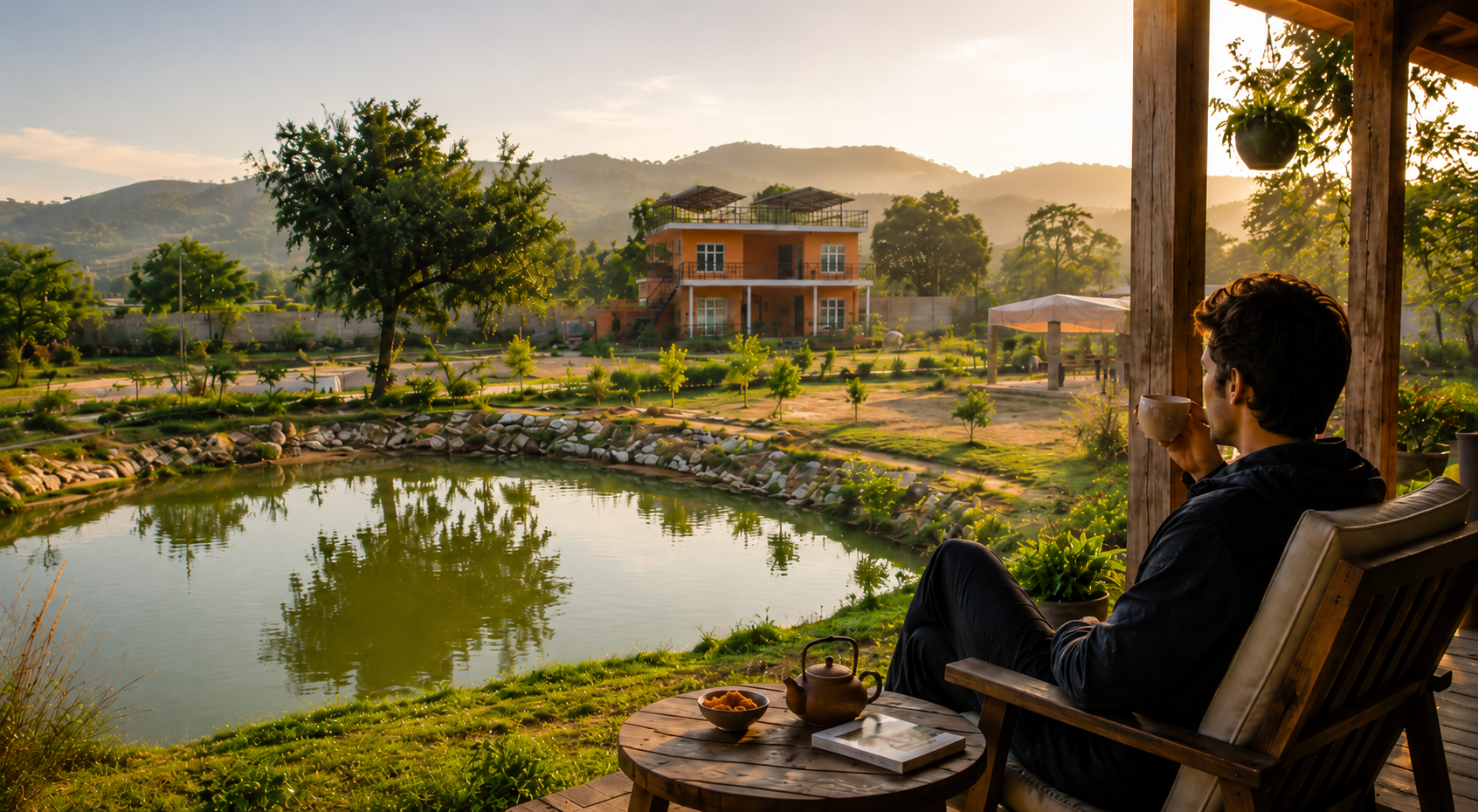
For years, we’ve treated travel like a marathon—a frantic race to “check off” destinations, survive packed itineraries, and return home with a gallery full of reels for Insta and photos for social media showoff, but a mind that’s more exhausted than when we left. We’re finally realizing that a vacation shouldn’t feel like another shift at the office. Today’s traveler is moving away from the noise of crowded tourist hubs and toward “Slow Travel”—a deliberate shift toward holidays that prioritize emotional rejuvenation over constant movement. It’s no longer about how many places you can cover, but how deeply you can experience one.
Many modern vacations unintentionally start feeling like a workplace. Early morning departures, fixed schedules, crowded attractions, and constant travelling between destinations often leave people more tired than refreshed.
Travellers are slowly realising that in the name of holidays and rexalsion constantly moving from one place to another does not always make any sense. In fact, some of the most memorable travel experiences now come from slower moments — sitting outdoors in silence, sharing meals with family, or spending uninterrupted time in nature.
People increasingly want holidays that help them mentally disconnect from daily pressure. Instead of returning from trips needing another break, travellers now prefer experiences that genuinely help them relax.
A peaceful stay with open spaces, slower mornings, and less planning often feels more restorative than a tightly packed itinerary. This is especially true for metro city travellers who spend most of their daily lives surrounded by traffic, deadlines, and digital distractions.
Travel preferences are shifting from quantity to quality.
Instead of trying to visit five destinations in three days, travellers now prefer staying longer in one peaceful place and experiencing it deeply. Whether it is enjoying local food, walking through nature, watching sunsets, or spending time with loved ones, these slower experiences often leave a stronger emotional impact.
The Misconception of “Doing Nothing” One common myth is that a quiet holiday means staring at a wall in silence. In reality, quiet travel isn’t about the absence of activity—it’s about the presence of meaning.
Instead of the high-stress adrenaline of rushing to a museum before it closes, quiet holidays offer “low-impact engagement.” At a nature retreat or farmstay, your day is filled with activities that stimulate the senses without draining your energy:
Active Discovery: Trade a crowded city tour for a guided nature walk or a morning of birdwatching.
Tactile Experiences: Engage in local traditions like farm-to-table cooking or hands-on pottery.
Natural Entertainment: Swap the blue light of your phone for the glow of a campfire or a night of stargazing under unpolluted skies.
Mental wellness has become an important part of modern travel decisions. Travellers are becoming more aware of how deeply rest, silence, and natural surroundings affect their mood and energy levels.
Quiet holidays provide space to slow down mentally. Without constant stimulation, people often feel calmer, lighter, and more present during their stay.
Many travellers now intentionally look for breaks from screens and notifications. Daily life already involves continuous digital engagement through phones, emails, meetings, and social media.
During peaceful holidays, people often spend less time online without forcing themselves to disconnect. Nature, conversations, outdoor spaces, and slower routines naturally reduce screen dependency.
Overcrowded travel experiences can sometimes create stress instead of enjoyment. Long queues, traffic, crowded attractions, and noise can make vacations feel rushed and tiring.
As a result, travellers are increasingly choosing quieter locations where they can enjoy privacy, comfort, and a slower pace without constantly competing for space or time.
Nature has become one of the biggest reasons people choose peaceful holidays. Open skies, greenery, fresh air, birdsong, and a farmhouse to get the root-level experience create a completely different rhythm compared to urban environments.
Many travellers mention feeling mentally lighter simply by spending time outdoors without a fixed agenda.
Work culture has changed significantly after covid 19. Many professionals now feel mentally exhausted from always being connected to work, even during weekends.
Quiet holidays allow people to properly pause, rest, and reset. Instead of planning hectic trips, travellers increasingly prefer experiences that help them regain balance.
One of the biggest benefits of quiet holidays is the ability to slow down without guilt. There is no pressure to constantly move, rush, or “make the most” of every hour.
People often rediscover simple pleasures during slower travel — reading outdoors, long conversations, peaceful walks, or simply sitting quietly with a cup of tea.
Busy routines often leave little uninterrupted time for meaningful connection. Quiet holidays naturally create more opportunities for families and couples to spend quality time together.
Without crowded schedules and digital distractions, conversations become longer and more relaxed. Many guests appreciate how peaceful environments encourage genuine togetherness.
Travellers frequently underestimate how a deep rest affects their overall experience. Calm surroundings, fresh air, and no noise pollution often improve sleep quality during nature-based stays.
Most of the travelers return from peaceful holidays feeling mentally refreshed simply because they finally had time to rest properly.
Nature encourages people to slow their attention. Watching sunsets, listening to birds, walking through open spaces, or experiencing quiet mornings creates a kind of mindfulness that feels natural rather than forced.
These moments may seem simple, but they often become the most memorable part of a trip.
Travellers are increasingly looking for experiences that feel genuine rather than overly commercialised. Farmstays and nature retreats often provide rool level experience and are compared to heavily crowded tourist zones.
Guests appreciate places where hospitality feels warm, unhurried, and connected to the surroundings.
Open landscapes and peaceful environments have become valuable experiences in themselves. For people living in cities, simply waking up to silence and greenery feels refreshing.
Nature retreats offer space to breathe, walk, relax, and slow down without constant noise or interruptions.
Many travellers now value local food, customs, experiences, and simple meals prepared with freshness and authenticity. Countryside stays often create a stronger connection with regional culture, local ingredients, and slower lifestyles.
These experiences feel more memorable because they are personal rather than heavily standardised.
Now, travellers are becoming more conscious of sustainability and responsible tourism. Nature retreats and farmstays often align naturally with these values through simple living, local sourcing, and lower-impact travel experiences.
Places like Aranyavas Farmstay and Nature Retreat appeal to travellers looking for peaceful stays that feel closer to nature and away from commercial crowds.
| Busy Travel | Quiet Holidays |
| Rushed schedules | Flexible pace |
| Crowded tourist spots | Peaceful surroundings |
| Constant movement | Relaxation-focused experiences |
| Travel fatigue | Mental refreshment |
| Checklist tourism | Meaningful moments and memories |
Families increasingly want vacations where they can genuinely spend time together instead of constantly travelling between tour destinations.
Peaceful stays give children and parents space to relax, talk, play, and enjoy slower routines together.
Many couples now prefer private, nature-based escapes over crowded tourist destinations. Quiet surroundings often create a more intimate and relaxed experience.
Professionals dealing with long work hours and digital fatigue often look for destinations where they can mentally disconnect and refresh.
Nature retreats provide a break from fast-paced urban routines and constant stimulation.
Solo travellers are also increasingly choosing peaceful destinations focused on reflection, relaxation, and personal space rather than packed sightseeing.
Road travellers now often prefer peaceful stays instead of crowded city hotels during long journeys. A quiet overnight stop surrounded by nature can feel far more refreshing during highway travel.
Many travellers are now intentionally searching for destinations outside major tourist cities. Outside farmstays offer calm environments that feel refreshing and less overwhelming.
Travel decisions are increasingly influenced by wellness. People are choosing holidays that support rest, mental clarity, relaxation, and healthier routines.
Spending time in natural surroundings often helps people feel calmer and less mentally overstimulated. Even short breaks away from traffic and screens can improve mood and energy levels.
Luxury is no longer defined only by classy buildings, temperature-controlled swimming pool, and overnight parties. For many travellers today, silence, privacy, greenery, and open space feel more valuable.
Travellers increasingly value destinations where they can enjoy silence, privacy, and slower routines.
Comfort remains important, but people now often prefer spaces that feel warm, natural, and restful instead of overly crowded or commercial.
Fresh meals, regional flavours, and simple dining experiences often become meaningful parts of peaceful travel.
Guests appreciate stays where hospitality feels genuine and attentive rather than transactional.
Nature walks, outdoor seating, stargazing, countryside exploration, and slow evenings are becoming preferred alternatives to overcrowded attractions.
Many travellers also appreciate destinations that maintain a closer connection with nature and sustainability.
Rajasthan is often associated with forts, palaces, and busy tourist circuits. However, many travellers are now discovering quieter parts of the region that offer completely different experiences.
Rural landscapes, village surroundings, and peaceful stays are attracting travellers looking for slower and more meaningful travel experiences.
The open spaces, natural beauty, and calm atmosphere of Rajasthan’s countryside provide an appealing contrast to crowded urban life.
Farmstays and nature retreats allow travellers to experience a quieter side of Rajasthan through local hospitality, natural surroundings, and slower living.
At Aranyavas Farmstay and Nature Retreat, the focus is not on rushing through activities but on creating space to relax and unwind naturally. The peaceful surroundings, open spaces, and slower pace encourage guests to disconnect from daily pressure.
Many travellers today appreciate hospitality that feels personal and grounded. A peaceful farmstay environment combined with comfort and nature creates a more meaningful travel experience for guests seeking calm rather than crowds.
For travellers looking to take a short break from busy city life, nature retreats offer an opportunity to reset mentally without needing a packed itinerary.
Sometimes the most valuable part of travel is simply having the time and space to breathe, rest, and slow down — something many travellers are actively seeking today.
If you are looking for a quieter and more meaningful travel experience surrounded by nature, Aranyavas Farmstay and Nature Retreat offers a space where you can slow down, relax, and reconnect with what truly matters.
Travel is becoming more intentional.
People are slowly moving away from exhausting schedules and overcrowded tourism toward experiences that feel calmer, more personal, and emotionally fulfilling. Quiet holidays are no longer considered niche travel choices — they are becoming a preferred way to recharge and reconnect.
Whether it is spending time in nature, enjoying slower mornings, or simply escaping the noise of everyday life, travellers now value peace and wellness as much as sightseeing itself.
Sometimes, the best journeys are the ones where you finally slow down.
What is a quiet holiday?
A quiet holiday focuses on relaxation, slower routines, peaceful surroundings, and meaningful experiences instead of busy sightseeing schedules.
Why are travellers choosing slow travel experiences?
Many travellers now prefer slower travel because it feels less stressful and more emotionally refreshing than rushed itineraries.
Are peaceful holidays better for mental wellness?
Peaceful holidays can help reduce stress, improve relaxation, and create mental space away from daily pressure and digital distractions.
What are the benefits of nature retreats?
Nature retreats often provide calm surroundings, fresh air, slower routines, and opportunities to reconnect with nature and personal well-being.
Why are farmstays becoming popular?
Farmstays offer authentic experiences, peaceful environments, local food experiences, and a break from crowded tourist destinations.
Is Rajasthan good for peaceful vacations?
Yes. Beyond its popular tourist cities, Rajasthan also offers countryside experiences, nature retreats, and quieter rural destinations ideal for peaceful travel.
What activities can people enjoy during quiet holidays?
Travellers often enjoy nature walks, reading, outdoor relaxation, local food experiences, stargazing, photography, and spending quality time with family or friends.
How do quiet holidays reduce travel stress?
Quiet holidays reduce constant movement, crowded schedules, and overstimulation, allowing travellers to relax both mentally and physically.
Are countryside retreats suitable for families?
Yes. Countryside stays often provide open spaces, slower routines, and peaceful environments that families enjoy together.
What makes Aranyavas Farmstay a relaxing destination?
Aranyavas Farmstay and Nature Retreat offers peaceful surroundings, nature-focused experiences, comfortable stays, and a slower atmosphere away from urban crowds.
The “checklist” vacation is dead. Modern travellers are trading 5-city marathons and alarm-clock itineraries for Slow Travel—prioritizing mental restoration over sightseeing volume.
The Core Shift
From Quantity to Quality: Instead of asking “How many places can we see?”, travellers are asking, “How do we want to feel when we return?”
The Goal: Returning home truly refreshed, not needing “a vacation from the vacation.”
Key Pillars of Quiet Travel
Digital Detox: Naturally reducing screen time through nature-based engagement.
Mental Wellness: Using silence, greenery, and unhurried mornings to combat urban burnout.
Authentic Connection: Favoring farm-to-table meals and local culture over commercial tourist traps.
Where to Experience It
Destinations like Aranyavas Farmstay and Nature Retreat in Rajasthan are leading this shift, offering an escape from the “forts and crowds” circuit in favor of open skies, birdsong, and genuine hospitality.
The Bottom Line: Luxury in 2026 isn’t about marble lobbies; it’s about silence, space, and the permission to slow down.

We’re excited to help you plan your experience at Aranyavas. Please share your details below, and we’ll get in touch with you within 2 working days