
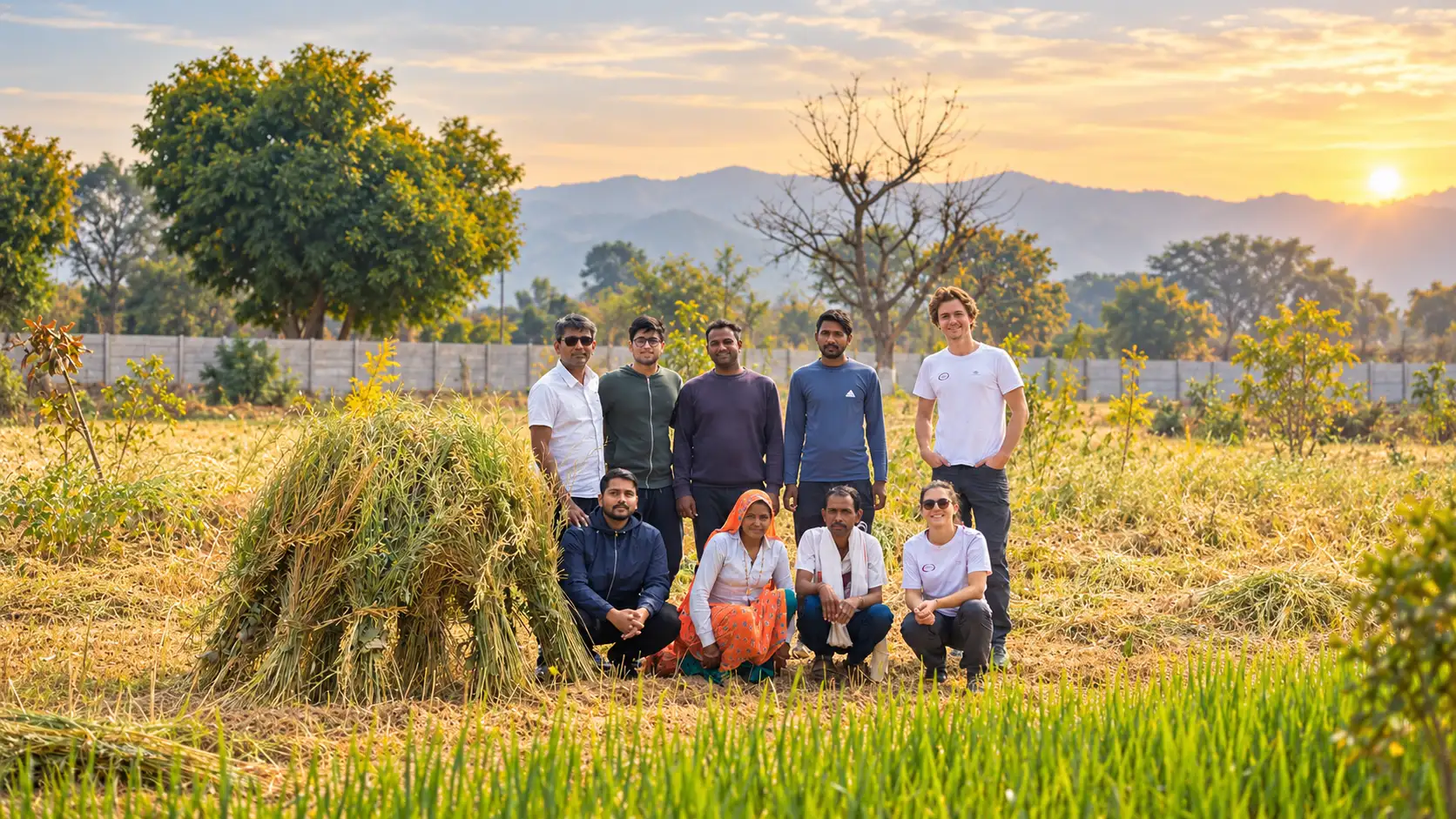
Slow tourism near Jaipur focuses on spending more time in fewer places and experiencing local culture, food, nature, and village life at a relaxed pace.
Bagru, Samode, Sambhar, Abhaneri, and rural Dausa offer different rural experiences, from hand-block printing and heritage to salt landscapes, birdlife, and village life.
Farm stays are not all the same. Before booking, check whether the property is a working farm, who leads the activities, what is included, and how it connects with the local community.
Responsible village tourism means respecting private spaces, asking permission before taking photographs, paying artisans fairly, using local guides, and avoiding activities that exploit people, animals, or the environment.
October to February is generally more comfortable for outdoor activities and winter birdwatching, while weather and local conditions should always be checked before travelling.
The scenery changes just an hour or two beyond the bustling streets of Jaipur. Around the Aravalli hills, the fields, salt flats, and villages present a tranquil picture of Rajasthan—a portrait shaped by daily routines, local cuisine, and centuries-old art and culture.
Slow tourism in Rajasthan is not about covering every small and big destination you are going to; it is about experiencing it deeply. This gives you more time in fewer places, letting you choose grounded experiences and set aside time for conversation, relaxation, and unexpected discoveries. Around Jaipur, this could mean learning block printing from an artisan in Bagru, getting a farm stay experience and sharing a home-style meal, wandering through fields, or watching the shifting play of light at Sambhar Lake.
A rural break is easy to add to a Jaipur holiday without planning a long journey across Rajasthan. It offers:
This experience depends mostly on the host. A genuine farm or village stay should enable visitors to truly understand the place and its people. While a resort with lawns and themed dinners might be pleasant, it doesn’t necessarily offer a rural or community-based experience.
Manpura Macheri—also known as Manpura Mancheri—and nearby Ghatwada are villages in the northern part of the Jaipur district. The surrounding area includes farmland and hill or forest areas, offering a quieter setting away from Jaipur’s main sightseeing circuit.
These villages are best for an unplanned stop and for a long trip to experience nature. Choose a local host or responsible stay that can organize a guided walk, farm interaction, or home-style meal with the community’s consent. Activities depend on the season and the host, so confirm exactly what is available before travelling.
Visitors should treat fields, homes, and the edges of forests as places of work or safety. Follow local guidelines, avoid entering private property, ask for permission before taking photos, and be sure to check the rules for visiting forest areas before heading there.
Bagru is closely associated with hand-block printing. “Bagru Hand Block Print” is a registered Geographical Indication, confirming the craft’s recognized connection with the area. Visitors can look for artisan-led sessions that explain how patterns are created and transferred to fabric using carved blocks.
A thoughtful visit may include a demonstration, a hands-on printing session, and time to understand the work behind the finished textile. Processes and materials differ between workshops, so ask the artisan whether the session covers dye preparation, printing, washing, or only the final printing stage.
Walk through working neighborhoods with care. These are homes and workplaces, not staged attractions. Seek permission before taking photographs and buy directly from makers where possible. Bagru works well as a day trip or as part of a craft-and-farm itinerary.
Samode is around 40 km northwest of Jaipur. It is known for heritage architecture, village surroundings, and local crafts. Its location near the Aravalli makes it ideal for an unhurried overnight break rather than only a quick palace visit.
Look for a stay that can arrange a village walk and local regional food. Walking and cycling routes should be selected with local guidance, as road conditions, traffic, and access can depend on the route. Couples and travelers looking for a short, quiet extension to Jaipur may find this area convenient.
Sambhar Lake is a vast inland salt lake located in the southwest of Jaipur. The landscape shifts dramatically with the season, water level, and salt-production cycle. This is also known for the best viewpoints of Sunrise and sunset, while the nearby area offers a chance to learn about salt production and local livelihoods.
Migratory birds, including flamingos, may be seen during suitable winter conditions, but sightings should never be treated as guaranteed. Water levels and bird movement vary. Travel with a knowledgeable local guide, keep a respectful distance from birds, and avoid driving onto sensitive lake areas without clear local permission.
The lake is generally presented as a sunrise-to-sunset attraction by Incredible India. Check the current weather, access, and road conditions before leaving Jaipur. Carry drinking water, sun protection,, and suitable footwear; do not walk onto unfamiliar salt crusts or wet ground without guidance.
Abhaneri is best known for Chand Baori, an eighth-century stepwell Rajasthan Tourism describes as one of India’s deepest and largest. The Harshat Mata Temple stands beside it. Together, they provide a strong cultural starting point for exploring the wider Dausa countryside.
Instead of rushing back immediately after visiting the monuments, consider a locally hosted meal, a local walk, or an overnight stay in the region. This gives you time to understand agricultural life and village landscapes beyond the main sights. Any home visit or community interaction should be arranged through a responsible local host, with clear consent and fair payment.
Properties outside Jaipur may describe themselves as farm stays, eco-stays, rural retreats, or countryside resorts. These terms are not interchangeable.
A farm stay is usually connected to agricultural land or farm activity. A homestay generally offers closer contact with the host household. A countryside resort may provide comfort and open space but little connection with farming or village life.
Before booking, ask:
Avoid choosing only on the basis of photographs. Recent guest feedback, direct answers from the host, and clear booking terms are more useful.
A rural break is easy to add to a Jaipur holiday without planning a long journey across Rajasthan. It offers:
This experience depends mostly on the host. A genuine farm or village stay should enable visitors to truly understand the place and its people. While a resort with lawns and themed dinners might be pleasant, it doesn’t necessarily offer a rural or community-based experience.
Depending on the farm and the time of year, guests can walk through fields or orchards, learn about irrigation, observe sowing or harvesting, or help feed farm animals under supervision. These activities follow the farming calendar and may not be available every day.
Ask whether the activity is participatory or a demonstration, how long it will last, and what kind of footwear is required. Children should be supervised when near animals, tools, wells, and farm machinery.
A cooking experience can reveal more about a region than a large buffet. It may include visiting a market or kitchen garden, learning about local grains, pulses, and seasonal vegetables, and preparing a simple Rajasthani meal with the host.
Share dietary requirements before booking. If you have allergies, explain them clearly rather than assuming every kitchen can provide separate preparation. The best meals feel like an exchange, not a staged performance.
Bagru printing is the clearest craft-led option near Jaipur, but some hosts may also arrange pottery, textile, or folk-tradition sessions. Choose workshops led by practicing artisans, and check whether the fee goes directly to the maker.
Do not expect every traditional process to be available on demand. Production schedules, weather, and drying time can affect what can be demonstrated. Pay fairly, avoid aggressive bargaining, and ask before photographing people or their workspaces.
Morning is the best time for outdoor activities, especially during the summer months. Enlist the help of a local guide for navigating village paths, wetland edges, and unfamiliar trails. Wear closed shoes with good grip, carry water, and avoid venturing onto deserted paths after dark.
For birdwatching, remain quiet, use binoculars, and keep your distance. Do not play bird calls, approach nests, or ask a driver to chase a flock for photographs. For cycling, confirm the condition of the bicycle, availability of a helmet, and suitability of the road before starting.
| Look for | Avoid |
|---|---|
| Small groups and local guides | Large groups entering homes without context |
| Permission before photography | Photographing adults or children without consent |
| Fair payment for workshops | Aggressive bargaining with artisans |
| Natural, everyday interaction | Staged poverty or “exotic village” language |
| Calm, supervised animal contact | Forced rides or stressful performances |
| Local food and knowledge | Activities with no clear community involvement |
Keep the schedule light. One meaningful workshop and one rural activity are enough for a day.
Day 1: Travel from Jaipur to Samode or the nearby countryside. Settle in, take a guided village walk, and have dinner at the stay.
Day 2: Join a farm, cooking, or craft activity. Leave the afternoon free for rest, reading, or a short walk. Confirm any cycling route locally.
Day 3: Have a slow breakfast and return to Jaipur without adding several rushed stops.
Day 1: Arrive with enough daylight to understand the area and view the salt landscape from a safe, permitted location.
Day 2: Take an early-morning guided nature or birding excursion. Spend the rest of the day learning about the town, salt-based livelihoods, or nearby cultural sites.
Day 3: Have breakfast locally and return to Jaipur. Keep the plan flexible because visibility, access, and wildlife activity can change.
| Season | What to Expect |
|---|---|
| October to February | Generally more comfortable for walks, outdoor meals, and winter birdwatching |
| March and April | Warmer days; plan outdoor activities early in the morning. |
| July to September | Greener countryside in many areas, though rain may affect roads and activities |
| May and June | Intense heat; limit outdoor time and confirm reliable cooling at the stay |
Seasonal patterns are useful for planning, but they do not guarantee a particular crop, landscape, or wildlife sighting. Check the current forecast and local conditions shortly before the trip.
The outskirts of Jaipur, the countryside around Samode, and parts of the Dausa region can offer rural accommodation. Choose by the quality of host involvement, farm connection, and activities rather than by the property’s label alone.
2. Can I visit a village as a day trip from Jaipur?
Yes. Bagru is well suited to a pre-booked craft visit, while a farm visit can be added if travel time and the host’s schedule allow. Avoid trying to combine too many distant places in one day.
3. What is the difference between a farm stay and a rural resort?
A genuine farm stay is connected to agricultural work or land and usually offers some interaction with the farm. A rural resort may simply be located outside the city. Ask specific questions before booking.
4. Is slow tourism near Jaipur suitable for children?
It can be, particularly when a stay offers safe open areas and supervised activities. Check fencing, animal interaction, food options, sleeping arrangements, and the distance to medical care.
5. When is the best time for birdwatching near Jaipur?
Winter is generally the main period for migratory bird activity, but local water and habitat conditions matter. Ask a knowledgeable guide for current information rather than relying on old photographs or reports.
6. Can I attend a block-printing workshop in Bagru?
Artisan-led sessions are available through some workshops and experience providers, but booking is advisable. Confirm the duration, group size, language, process covered, and whether materials are included.
7. Are village experiences suitable for international travelers?
Yes, provided transport, language support, food requirements, and cultural expectations are discussed beforehand. A responsible local host or trained guide can make the visit clearer and more comfortable.
8. How many nights should I spend outside Jaipur?
One night is enough for a short countryside break. Two nights allow time for a farm, craft, or nature activity without turning the visit into another rushed sightseeing schedule.
9. What should I pack?
Carry comfortable shoes, sun protection, a reusable water bottle, any regular medicines, and a light layer for cooler winter mornings or evenings. During the monsoon, check whether rain protection and sturdier footwear are needed.
10. How can my visit benefit the local community?
Book locally led activities, pay fair prices, buy directly from makers, and choose stays that employ or source from nearby communities. Respectful behavior matters as much as spending.
Add one or two countryside nights to your Jaipur itinerary. Choose a locally hosted stay, learn one craft, share one regional meal, and leave enough time for the landscape—and its stories—to unfold.

We’re excited to help you plan your experience at Aranyavas. Please share your details below, and we’ll get in touch with you within 2 working days